
Key Takeaways:
- Early pest detection prevents damage, health risks, and costly repairs.
- Ants, cockroaches, rodents, termites, and hidden pests like bed bugs can harm homes.
- Seasonal changes and home hotspots affect pest activity.
- Prevention includes sealing entry points, cleaning, and reducing moisture.
- DIY fixes help with minor issues, but professionals are best for major infestations.
Why Identifying Household Pests Matters

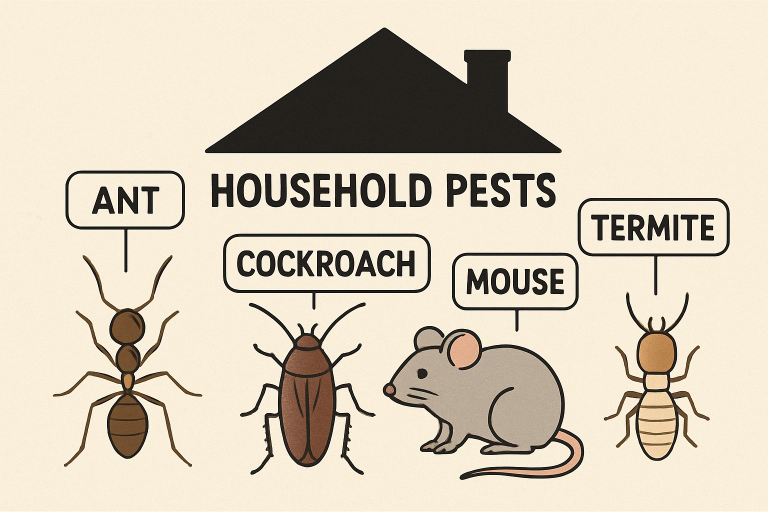
Household pests such as ants, rodents, cockroaches, and termites can do far more than become an annoyance. Left unchecked, these uninvited guests can compromise your family’s health and the safety of your living spaces.
Early identification is essential for effective pest management. Detecting an issue before it escalates can save you considerable time and money on repairs and limit the extent of a potential infestation. If you need professional advice or intervention, an exterminator Columbia, SC, can provide tailored solutions, ensuring your home remains protected year-round. Knowing what to look for and acting quickly can stop small pest problems from turning into major infestations.
Spotting the Most Common Household Pests

Signs of Ants, Cockroaches, Rodents, and Termites
Recognizing the early signs of common pests can stop an infestation. Ants often leave visible trails leading to food sources, while cockroaches are most active at night and may leave behind egg cases or shed skins in dark corners or under appliances.
Seasonal Variations and Pest Hotspots in Homes
Pest problems can vary with the seasons. Warm months increase ant and termite activity, while colder spells drive rodents indoors for warmth and food. Kitchens, basements, attics, and bathrooms are typical hotspots because they offer easy access to food, water, and shelter.
Don’t Overlook These Unusual Suspects
Bed Bugs, Silverfish, and Spiders

Not all pests are immediately recognizable, but their presence can be just as problematic. Bed bugs hide in mattresses, behind headboards, and in soft furnishings, leaving tiny blood spots and causing itchy bites. Silverfish thrive in damp areas and may chew on books, wallpaper, and clothing, often unnoticed until damage is evident. While most household spiders are harmless, sudden webs in corners or basements signal their arrival.
How to Recognize Mysterious Bites and Unusual Droppings

Unexplained skin irritations, red welts, or clusters of bites usually indicate a pest issue. Similarly, unsightly droppings—tiny and black for mice, larger pellets for rats—can provide clues to the type of intruder. Always use gloves when cleaning up pest droppings, as they can harbor bacteria and disease.
Health Hazards Related to Pests

The health risks associated with pests extend well beyond simple discomfort. Rodents can transmit diseases such as hantavirus, leptospirosis, and salmonella directly to humans, while cockroaches and dust mites can exacerbate allergies and asthma. Insects like mosquitoes and ticks are also known carriers of serious illnesses.
Simple Prevention Steps to Reduce Pest Infestations

Effective pest prevention starts with basic home hygiene practices. Store food in airtight containers and promptly clean up spills or crumbs. Keep trash sealed and dispose of it regularly to avoid attracting pests. Regularly inspect your home’s exterior, repairing gaps, cracks, and holes where pests can enter. Fix any plumbing leaks, as water sources attract many types of infestations.
Natural and DIY Solutions for Managing Pests

Not every pest issue requires harsh chemicals. Vinegar, baking soda, or diatomaceous earth can be safe, natural deterrents for many bugs. Essential oils such as peppermint or tea tree oil repel ants and spiders, while sticky traps can help capture rodents and insects. A dish of apple cider vinegar and dish soap for fruit flies effectively attracts and traps them.
When to Call the Professionals

Warning Signs of a Major Infestation

Evidence such as large numbers of pests, persistent droppings, structural damage, or recurring bites signals the need for expert help. Ignoring these warning signs can escalate to more costly and disruptive repairs.
The Benefits of Expert Inspection and Ongoing Maintenance

Professional pest control services offer the benefit of expert identification, safe extermination methods, and ongoing prevention strategies. Regular inspections can catch problems early and minimize health risks, giving you peace of mind and restoring comfort to your home.
Staying Informed: Pest Trends and Community News

Pest populations and activity levels are not static—they change with shifts in weather and climate. Warmer winters, heavier rains, or extended droughts can all impact the timing and severity of pest seasons. Recent weather patterns are causing longer and more intense pest seasons, making vigilance even more crucial. Stay tuned to community bulletins for alerts on local infestations and trends so you can take preventive measures early.
Creating a Pest-Free Home Environment

Safeguarding your home against pests starts with awareness and quick action. Identify early warning signs, seal entry points, and maintain good home hygiene. Address minor problems quickly using DIY solutions, but never hesitate to consult professionals if you believe you are facing a significant infestation. Acting promptly protects your home and family and ensures you can enjoy a comfortable, pest-free living space year-round.