

- Ignoring dishwasher drain problems can lead to stagnant water, bacterial growth, foul odors, and contaminated dishes.
- Standing water increases the risk of leaks, cabinet damage, warped flooring, and costly structural repairs.
- Clogged drains can attract pests such as fruit flies and cockroaches that thrive in moist, food-rich environments.
- Poor drainage forces the appliance to work harder, reducing efficiency, raising utility costs, and shortening its lifespan.
- Stagnant water and trapped debris may contribute to respiratory irritation, allergy flare-ups, and potential illness.
- Regular maintenance, including cleaning filters, checking drain hoses, and using proper detergent, helps prevent most drainage issues and protects your kitchen’s health and safety.
When your dishwasher fails to drain properly, it’s easy to brush off the issue as a minor inconvenience. People often assume there are bigger worries in the kitchen, yet ignoring the warning signs can lead to serious complications in your home, including poor appliance performance, hygiene concerns, and even unexpected health risks. If your dishwasher won’t fill or drain as it should, your home may experience more than just performance setbacks.
Persistent drain problems often turn the inside of your dishwasher into an unhealthy zone. Water and food particles left behind after a cycle not only make cleaning ineffective but also threaten your household’s cleanliness. Rather than dismissing these signs, it is crucial to act quickly to prevent widespread problems and protect everyone in your home.
In households where time is a premium, it can be easy to postpone routine maintenance, allowing small drainage issues to slip under the radar. However, taking preventative action now can not only extend the life of your appliance but also keep repair costs at bay. Timely intervention mitigates hygiene issues, unpleasant odors, and more serious hazards like leaks, which can damage your kitchen structure. Preventative maintenance and addressing cues from your dishwasher will save both time and money in the long run.

Accumulation of Dirty Water

One of the first and most visible consequences of a neglected dishwasher drain is the accumulation of dirty, stagnant water. This pooled water creates the perfect environment for bacteria and mold to grow, which can spread across your dishes and into the appliance itself. Not only does this lead to contaminated dishware, but it also creates strong, foul odors that are difficult to mask or remove. To maintain a clean kitchen, it is recommended to thoroughly clean filters and drain baskets regularly for optimal hygiene.
Household germs and bacteria thrive in moist, food-rich environments, and the leftover water in a poorly-draining dishwasher provides both. Over time, this can contribute to household illness and exacerbate respiratory conditions, especially among sensitive individuals such as children and the elderly. The spread of contaminants can unwittingly undo the supposed cleaning benefits of your appliance and even lead to bad-tasting food if dishes are not properly rinsed.
Increased Risk of Leaks and Water Damage

When water remains in your dishwasher after each cycle, the appliance and plumbing system are put under additional strain. Blockages and buildup can create pressure along hoses and seals, which may eventually lead to leaks. These leaks can be subtle at first, perhaps just a few drops under your dishwasher, but left unchecked, seepage can wreck kitchen cabinetry, stain or warp floors, and invite mold infiltration behind walls and under surfaces.
Water damage can quickly become one of the most expensive consequences of neglecting a dishwasher drain issue. Once moisture seeps into wooden cabinets or flooring, repair often goes beyond simple cleaning or part replacement, requiring remediation for structural damage and even mold removal.
Unpleasant Odors and Pest Infestations

Trapped food debris and spoiled water in a clogged dishwasher drain cause persistent, unpleasant smells that spread throughout your kitchen. Beyond their discomfort, these odors act as persistent invitations for unwelcome guests, such as fruit flies and cockroaches, which can track bacteria throughout your home and exacerbate hygiene issues. Pests like these are notoriously difficult to eliminate once they find a suitable food and water source, making prevention the best line of defense.
Odor and pest problems are often easily resolved by running an empty dishwasher cycle with vinegar or other cleaning agents that break down grease and clean internal lines. Ensuring filters and visible drains are free of debris prevents buildup that can attract insects and rodents seeking moist organic matter.
Decreased Appliance Efficiency and Lifespan

Routine drain maintenance, when combined with proper detergent use and filter cleaning, helps preserve your appliance’s effectiveness for years to come. Addressing drain problems promptly reduces strain on the machine and ensures energy-efficient operation, ultimately paying dividends in lower utility bills and extended appliance longevity.
Potential Health Hazards
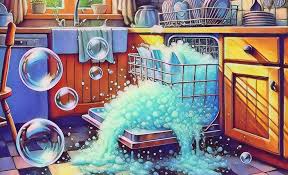
Stagnant water in your dishwasher is not just unappealing; it can also be a vector for harmful bacteria and mold spores that disperse into the air whenever the appliance is opened. People with allergies or asthma may experience worsening symptoms, and those handling or eating from contaminated dishes face a higher risk of gastrointestinal and respiratory illnesses. Keeping your dishwasher’s drain clear and regularly sanitized is vital for a safe and healthy home environment, as recommended by Good Housekeeping.
Preventive Measures to Avoid Drain Problems

- Clean the dishwasher filter and drain basket regularly to clear out trapped food particles and debris.
- Inspect and clear the drain hose to ensure there are no blockages that could restrict water flow.
- Always use the appropriate dishwasher detergent to prevent residue buildup that could clog drains.
- Run your garbage disposal before starting the dishwasher, making sure shared pipes remain clear for drainage.
- Schedule periodic professional inspections to catch underlying problems before they escalate to major breakdowns.
Final Thoughts

Proactive care and regular maintenance are the best strategies for avoiding a host of issues linked with dishwasher drain problems. Taking these simple steps can keep your appliance performing at its best, extend its lifespan, and maintain the overall hygiene and health of your kitchen environment.
